Share:
Shawn McCarthy is past president of World Press Freedom Canada.
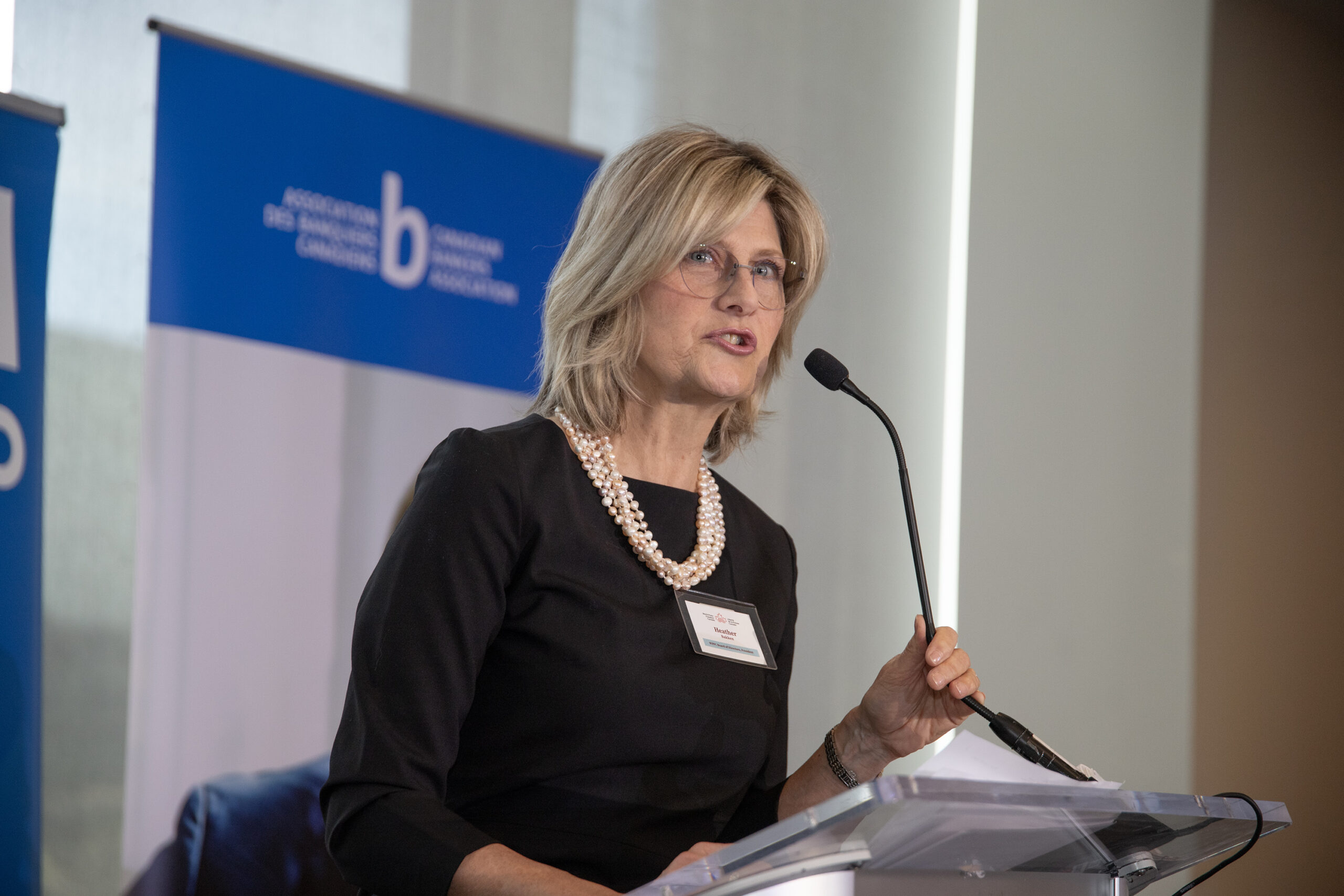
WPFC President Heather Bakken gets pretty passionate when she talks about the critical role of a free and robust news media in Canada, and indeed, across the globe.
Two ideas defined Heather’s five years at the helm of World Press Freedom Canada:
Heather steps down as president this fall, although she’ll remain on the committee. (Next month, we’ll share news of her replacement.)
We sat down in her kitchen for a conversation about the threats to the news media, and the role of World Press Freedom Canada in advocating for press freedom and educating Canadians on what is lost when fact-based journalism withers and disappears.
“Freedom to report is really critical,” she said. “Our role is to support section 2b of the Charter of Rights and Freedoms, which is the freedom of thought, freedom of belief, freedom of opinion and freedom of expression. And that we have a free press as the underpinning for our freedoms, choices and way of life.”
“We are advocates for those rights — not for any one organization, public or private, but for having an independent media.”
Heather has spent much of her career in news, first as a producer, reporter and anchor at CBC, and later as deputy publisher and then publisher at iPolitics. She is a founding partner at Pendulum Group, a strategic advisory and communications firm in Ottawa.
Her consulting job and her WPFC volunteer work converge when concerns about press freedom overlap with concerns over geopolitical instability and global attacks on the news media by foreign actors seeking to undermine democracy.
World Press Freedom Canada was started in 1999 by a group of senior journalists and colleagues working out of the National Press Club. At that time, the key concerns were the threat of censorship, the lack of access to information at home and the stifling of a free press by authoritarian governments overseas.
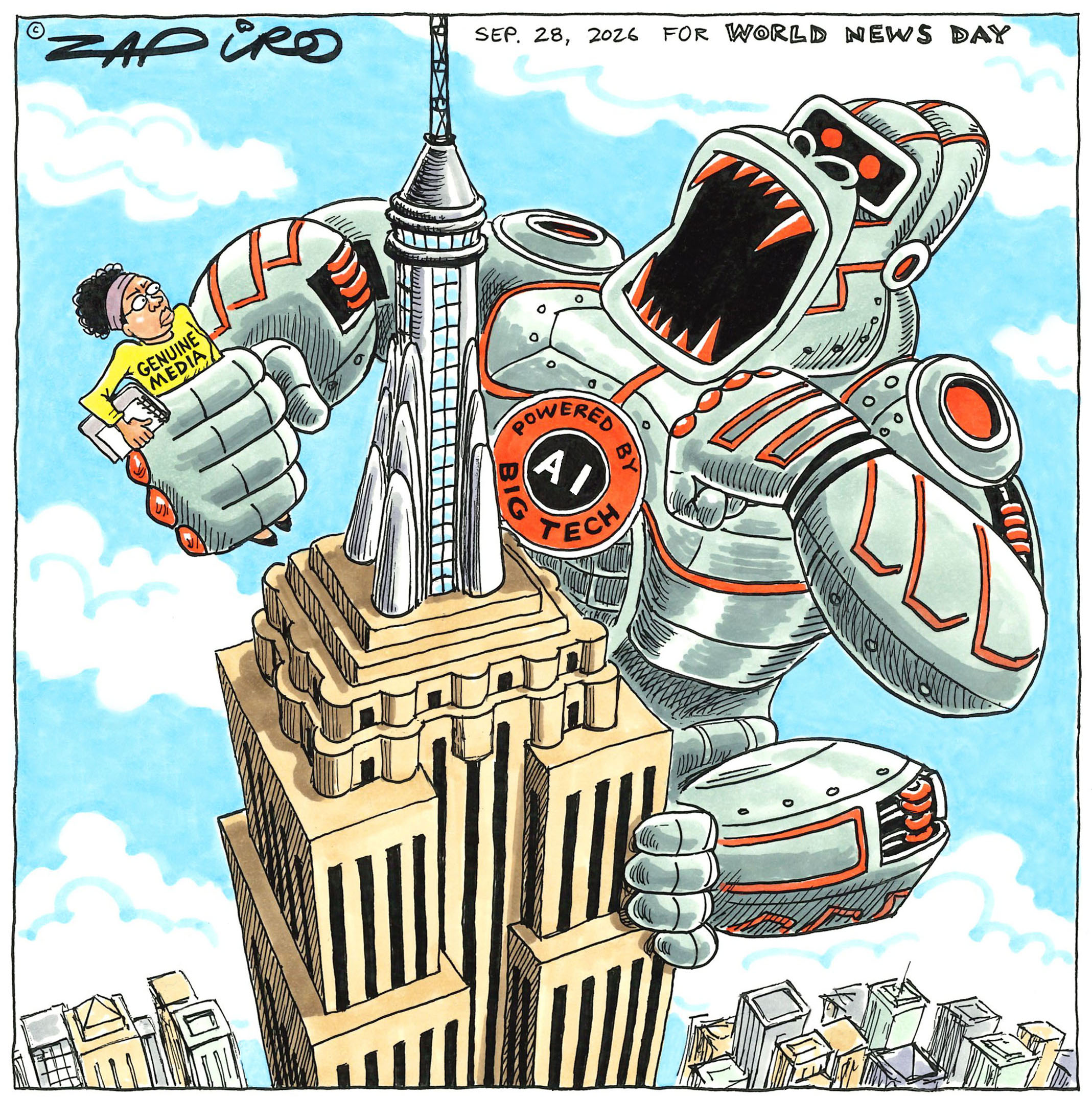
Those remain important priorities. But add to them threats from AI, the spread of disinformation and the loss of journalists as the insidious impact of social media shrinks newsrooms. It’s hard to exercise robust press freedom when the market no longer pays for it.
As newsrooms shrank and consumers increasingly relied on social media for their information, we’ve seen a flood of misinformation and disinformation pollute the media ecosystem and further erode trust in fact-based journalism.
“We’re in a global information ecosystem. Technology has shrunk geography and compressed our timelines, and news media have struggled to respond,” Heather said.
In recent years, WPFC highlighted the threats posed by foreign adversaries intervening in our elections and politics by spreading disinformation. We have also called for greater scrutiny of the Alberta referendum campaign to highlight the role of foreign actors and influencers.
Last fall, we hosted an event on Parliament Hill on the threats and opportunities artificial intelligence poses to the news media. We highlighted the theft of copyrighted content by AI trainers — and called out the way search engines respond to queries with AI-generated content.
Working with a dedicated team of volunteers, Heather has overseen notable expansion of WPFC’s advocacy and education efforts. (She is the first to credit her colleagues on the committee for the hard work and volunteer time they put in.)
We launched this newsletter, initially as a bimonthly effort and now monthly.
Our press freedom awards lunch regularly attracts more than 300 guests, including parliamentarians, diplomats, journalists, business leaders and members of the public. We’ve added awards for local media and student journalists.
The luncheon is held annually, around May 3 which the United Nations General Assembly has designated as World Press Freedom Day. Heather expressed gratitude to our sponsors for the luncheon, including the Canadian Commission for UNESCO and the Canadian Bankers’ Association.
She’s also led the effort to engage the diplomatic community, especially from like-minded countries that are members of the Media Freedom Coalition.
For several years, she has persuaded an ambassador from an allied country to host a diplomatic reception in honour of World Press Freedom Day. The choice of partners has been intentional to reflect the urgency of the moment, she said.
We hosted Ukraine’s ambassador as a special guest at the luncheon in 2022, the year Russia launched its full-scale invasion. Sweden hosted a reception the year it joined NATO, and the Danish embassy stepped up this year at a time when U.S. President Donald Trump was threatening to take Greenland by force.
Threats to press freedom remain many and varied. Heather is handing off to new leadership an organization well-positioned to keep up the fight for a robust, independent news media that undergirds Canadian democracy.
Shawn McCarthy is an independent writer and senior counsel at Sussex Strategy Group.He is the past-president of World Press Freedom Canada.
*Indiciates required field