Share:
A complete version of this column appeared in Dean’s newsletter.
The Liberal government has finally got around to asking ordinary Canadians how to fix the country’s premier transparency law, the Access to Information Act.
But it’s hard to have confidence that the government will embrace real reform.
The Act requires a thorough “review” of the legislation every five years. This latest round was launched on schedule, June 20, 2025. But more than eight months elapsed before the bureaucrats invited citizens and others to weigh in.
Treasury Board, the powerful department that manages billions in government spending, is in charge of the review. That’s a conflict of interest if ever there was one. Bureaucrats inherently hostile to public scrutiny have thus been tasked with finding ways to let the light shine in. You can imagine how this will go.
The government has also published a discussion paper, setting out its own proposals for reform. Treasury Board released a draft version of the document to me in December, after I asked for it under the Access to Information Act. The released draft was thoroughly censored. (Savour, for a moment, the exquisite irony of a government heavily redacting its suggestions for transparency.)
The version released in early March removes the blacked-out bits.
The first thing to notice in the paper is the complete absence of any reforms touching on cabinet secrecy. Canada has strict protections for cabinet records, tighter than in the United Kingdom, New Zealand or Australia. For years, Canadian academics and others have called for a loosening of cabinet secrecy. But the word “cabinet” doesn’t even appear in the Treasury Board document.
Also missing is any suggestion to roll back secrecy at ministers’ offices, which are exempt from the Act. Justin Trudeau campaigned on this issue for the Liberals in 2015, then got cold feet after realizing it would expose his own ministers.
So, the highest levels of the Canadian government remain comfortably inoculated against access-to-information requests. That exemption is a shield from the public eye that Ontario Premier Doug Ford is now putting in place for his own ministers.
Other proposals in the discussion paper are couched as improvements, but in fact are slyly regressive.
The government ominously claims that “bad actors use digital tools to flood the ATI [Access to Information] system with requests,” overwhelming departments and creating delays for everyone else. The paper never identifies these “bad actors.”
The paper proposes certifying so-called bad actors as “vexatious applicants,” so that departments can legally ignore any of their requests. The current law already allows departments to ignore “vexatious” requests.
Another proposal would give more heft to the information commissioner’s orders to departments to release documents to requesters. The commissioner, Carline Maynard, who’s the independent sheriff of the system, was given order-making power in 2019 – but without any enforcement ability. And some departments have blithely ignored her orders.
The paper would upgrade those orders to the status of a Federal Court judge’s orders, with the attendant enforcement mechanisms.
But there’s a catch. The discussion paper aims to drastically reduce the number of orders she issues, through more mandatory mediation.
Another worrisome proposal would create two streams of government records. One stream would consist of “official records” retained for accountability and accessible under the Access to Information Act. The other stream would consist of “transitory records” – never defined – that would be off-limits to access requests, and indeed could be destroyed relatively quickly. Transitory suggests emails and texts – long a rich hunting ground for reporters, activists, NGOs and others.
In sum, this week’s much delayed request for public input from Canadians, along with the release of a paper larded with regressive measures, speaks volumes about Ottawa’s current review: another inside job in the making.
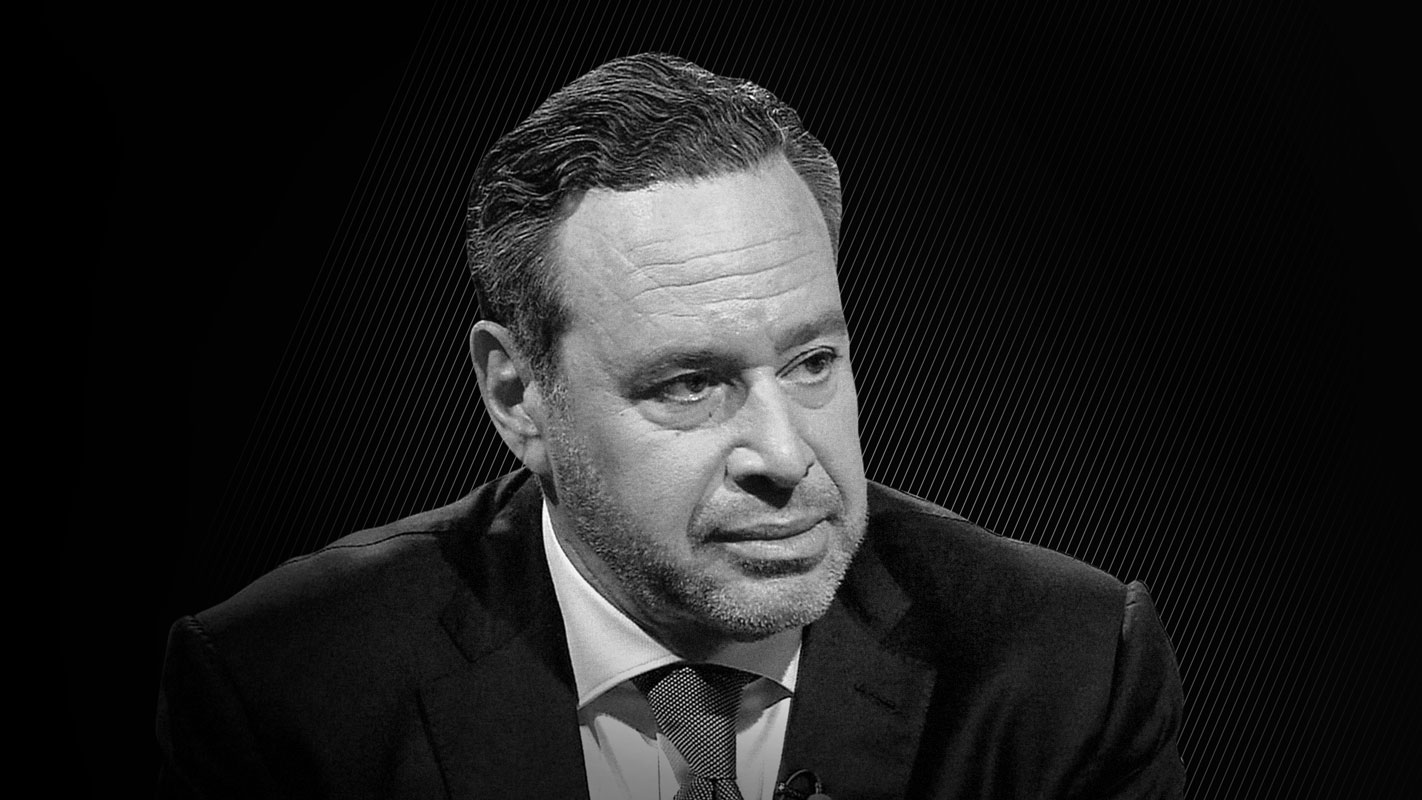
Dean Beeby is an Ottawa-based freelance journalist and author. He sits on the World Press Freedom Canada board of directors.
*Indiciates required field