Share:
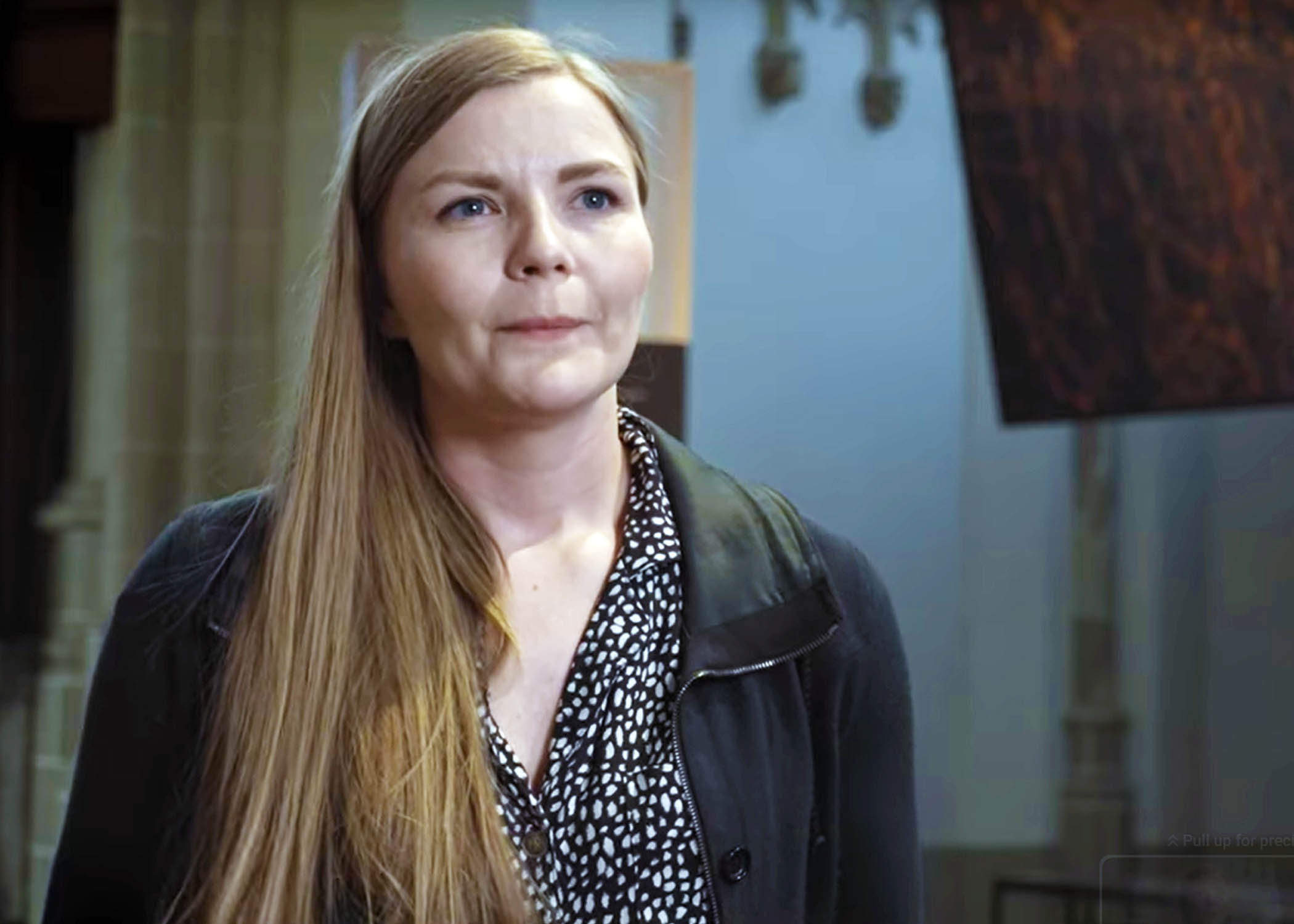
When police arrested photojournalist Amber Bracken while she was documenting a protest in northern British Columbia, they didn’t just detain a reporter — they set the stage for a major test of press freedom in Canada.
The Narwhal and photojournalist Amber Bracken were in court in January to press their suit against the RCMP over her arrest at a protest in 2021.
Bracken was on assignment for The Narwhal at a standoff in northern British Columbia between the RCMP and Indigenous land defenders who were blockading construction site for the Coastal GasLink pipeline.
Armed with a court injunction, the RCMP arrested several protesters as well as Bracken who was embedded with them while photographing the confrontation.
Press freedom is acConstitutionally protected right in Canada, Narwhal’s lawyer Sean Hern told the court. Canadian courts have noted the vital role that a free press plays in defending democracy.
The Narwhal suit is a key test whether police can restrict the media’s right to cover protests and other conflicts when an injunction has been issued against the protesters, the Canadian Association of Journalists said.
“As a result of this case, Bracken has become the de-facto face of the tensions, and press freedom restrictions, frequently imposed on journalists by law enforcement,” the CAJ said in a statement supporting her legal action.
It’s not the first time journalists have had to defend their right to report on conflicts between protesters and police.
In 2016, journalist Justin Brake was arrested with Indigenous land defenders in Labrador and charged with violating a court order to disband and end the blockade of the Muskrat Falls hydro project.
The Court of Appeal of Newfoundland and Labrador ruled Brake should not have been included in the injunction. It agreed with intervenor APTN that failing to recognize journalists as independent observers risks impeding the media function, and accepted that the chilling effects are real, significant and should be avoided.
Brake won WPFC’s 2018 press freedom award for his reporting and legal fight.
Whatever the outcome of The Narwhal suit, the case is being closely watched by journalists, legal experts, and press freedom advocates across the country. Its implications could shape how reporters cover protests, injunctions, and police actions in Canada — and whether journalists can safely observe and document conflicts without fear of arrest.
At press time for this edition of The Dispatch, Bracken’s case continued.
Lorsque la police a arrêté la photojournaliste Amber Bracken alors qu’elle couvrait une manifestation dans le nord de la Colombie-Britannique, elle n’a pas seulement détenu une journaliste ; elle a ouvert la voie à un test majeur pour la liberté de la presse au Canada.
Le Narwhal et la photojournaliste Amber Bracken étaient devant les tribunaux en janvier pour poursuivre la GRC suite à son arrestation lors d’une manifestation en 2021.
Bracken était en reportage pour le Narwhal lors d’une confrontation dans le nord de la Colombie-Britannique entre la GRC et des défenseurs des terres autochtones qui bloquaient le chantier du gazoduc Coastal GasLink.
Muni d’une injonction du tribunal, la GRC a arrêté plusieurs manifestants ainsi que Bracken, qui était intégrée à la troupe tout en photographiant la confrontation.
La Constitution protège la liberté de la presse, a déclaré l’avocat du Narwhal, Sean Hern, devant le tribunal. Les tribunaux canadiens ont souligné le rôle essentiel que joue une presse libre dans la défense de la démocratie.
L’affaire constitue un test crucial pour déterminer si la police peut restreindre le droit des médias à couvrir les manifestations et autres conflits lorsqu’une injonction a été émise contre les manifestants, a déclaré l’Association canadienne des journalistes (ACJ).
« Justin Brake est devenue le visage de facto des tensions et des restrictions à la liberté de la presse fréquemment imposées aux journalistes par les forces de l’ordre », a déclaré l’ACJ dans un communiqué appuyant sa démarche judiciaire.
Ce n’est pas la première fois que des journalistes doivent défendre leur droit de couvrir les conflits entre manifestants et policiers. En 2016, le journaliste Justin Brake a été arrêté avec des défenseurs des terres autochtones au Labrador et accusé d’avoir enfreint une ordonnance du tribunal lui enjoignant de démanteler un blocus du projet hydroélectrique de Muskrat Falls.
La Cour d’appel de Terre-Neuve-et-Labrador a statué que Justin Brake n’aurait pas dû être visé par l’injonction. Elle a partagé l’avis de l’APTN, intervenante, selon lequel le fait de ne pas reconnaître les journalistes comme des observateurs indépendants risque d’entraver le fonctionnement des médias, et a admis que les effets dissuasifs sont réels, importants et doivent être évités.
Brake a reçu le prix de la liberté de la presse 2018 de la WPFC pour son travail journalistique et son combat juridique.
Quel que soit le dénouement du procès intenté par The Narwhal, l’affaire est suivie de près par les journalistes, les juristes et les défenseurs de la liberté de la presse à travers le pays. Ses implications pourraient influencer la façon dont les journalistes couvrent les manifestations, les injonctions et les interventions policières au Canada, et déterminer si les journalistes peuvent observer et documenter les conflits en toute sécurité, sans craindre d’être arrêtés.
Au moment de la publication de cette édition du Dispatch, l’affaire Bracken était toujours en cours.
*Indiciates required field